Meaningful social progress cannot rely on good intentions alone; it demands rigorous empirical inquiry, actionable data, and robust systemic frameworks. As Bangladesh advances through critical stages of national development, traditional development models that measure progress exclusively through economic indicators such as gross domestic product (GDP) and infrastructural expansion are proving insufficient. True human flourishing encompasses physical health, emotional vitality, ecological balance, ethical integrity, and community resilience. Well Being Impact Foundation is pioneering an evidence-informed approach to place comprehensive wellbeing at the center of national policy and social action.
Measuring What Truly Matters Beyond Conventional Economic Indicators
Operationalizing The Bangladesh Wellbeing Framework™ for Policy Action
For generations, policy formulation has been hindered by a lack of localized, multi-dimensional wellbeing metrics. When governments and civil society organizations lack precise data on mental health, family cohesion, workplace stress, and social trust, interventions risk becoming fragmented, inefficient, and short-lived. To bridge this critical knowledge gap, our foundation conceptualized and launched The Bangladesh Wellbeing Framework™—a comprehensive model capturing ten interconnected dimensions of human and communal flourishing.
By establishing rigorous indicators across physical, mental, social, financial, professional, educational, environmental, spiritual, ethical, and cultural dimensions, our research teams generate nuanced, actionable insights. We conduct grassroots field surveys, institutional impact assessments, and qualitative community studies that capture the real lived experiences of citizens across both rural and urban Bangladesh. This empirical foundation allows development partners, corporate leaders, and policymakers to design targeted interventions that address the root causes of distress rather than merely reacting to superficial symptoms.
Moreover, empirical wellbeing research provides development agencies and government bodies with the predictive insights needed to allocate public resources effectively. By tracking shifts in emotional resilience, family stability, and workplace satisfaction across diverse demographics, our research reports establish national benchmarks for social progress, ensuring that policy decisions reflect the authentic voices and lived realities of citizens across Bangladesh.
Forging Collaborative Alliances Between Academia, Civil Society, and Government
Translating Empirical Knowledge Into Grassroots Social Innovation
Research achieves its highest purpose not when it remains confined to academic journals, but when it catalyzes tangible improvements in human lives. At Well Being Impact Foundation, our research division works in close synergy with our community implementation teams, ensuring that every empirical discovery informs practical grassroots programs. Simultaneously, we actively build multi-sectoral partnerships to translate research into broad-scale systemic reforms.
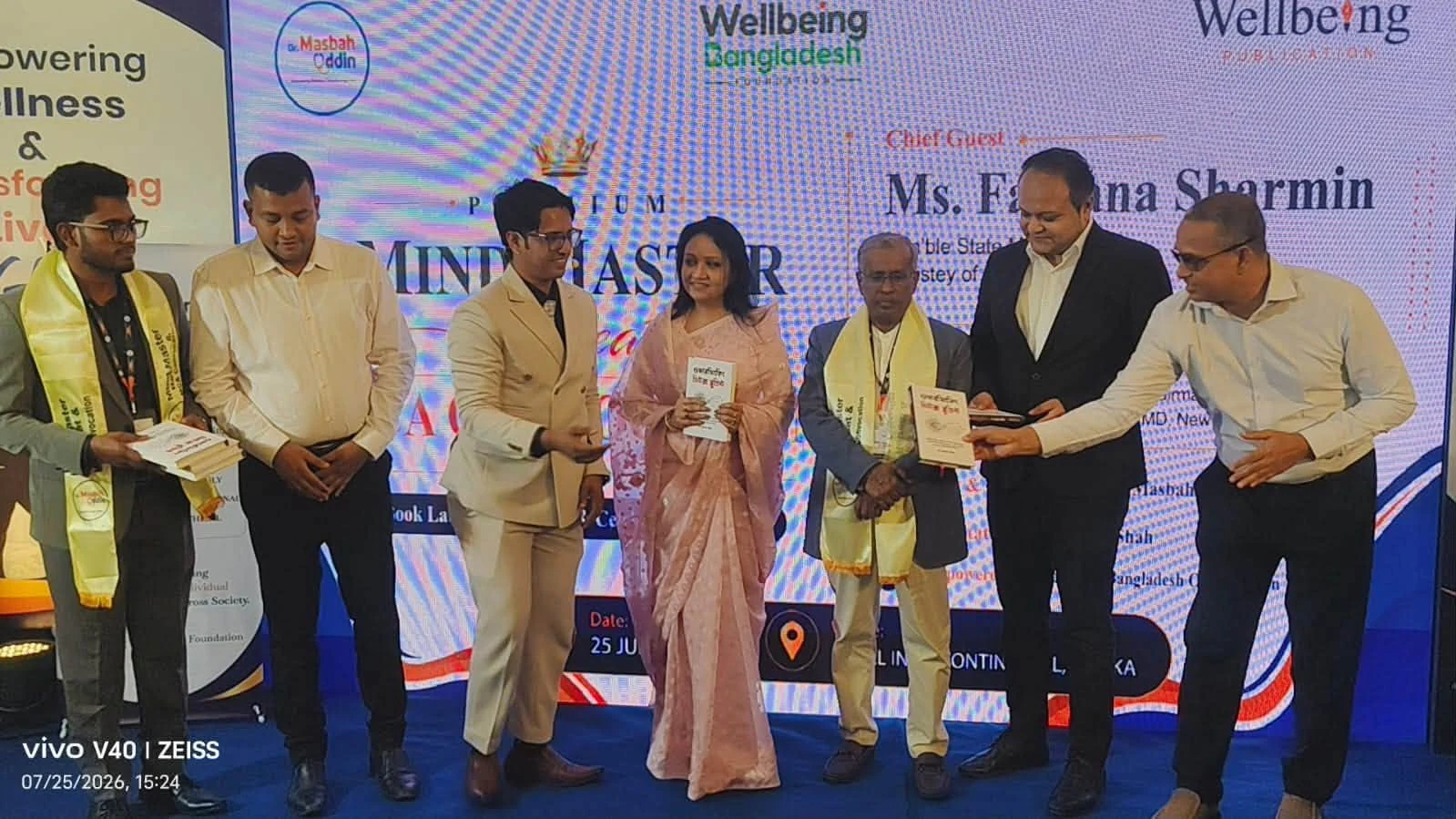
Through our Well Being Publications and Research Alliance, we collaborate with premier universities, medical faculties, public policy think tanks, and government ministries to publish research reports, policy briefs, and practical toolkits. These publications provide actionable blueprints for educators, healthcare professionals, corporate executives, and community leaders seeking to embed wellbeing principles within their respective spheres. By convening national symposiums, roundtables, and consultative dialogues, we foster cross-sectoral collaboration that multiplies social impact and accelerates systemic change.
As Bangladesh looks to the future, embedding evidence-informed wellbeing into our institutional fabric will be the defining factor in creating an equitable, resilient, and thriving society. Guided by our unwavering commitment—Wellbeing First. People Always.—Well Being Impact Foundation continues to illuminate the path toward holistic human progress through knowledge, innovation, and strategic collaboration.